What Drives Your Bills? 5 Key Factors Affecting Laser Cutting Operating Costs
The true operating cost of a laser cutting machine isn’t defined by a single invoice. It’s a variable figure shaped by how you run your shop, the materials you choose, and even the complexity of your CAD files.
If you want to stay competitive, you need to look beyond the electricity bill. Here are the five interrelated factors that determine whether your production is a profit-maker or a money-pit.
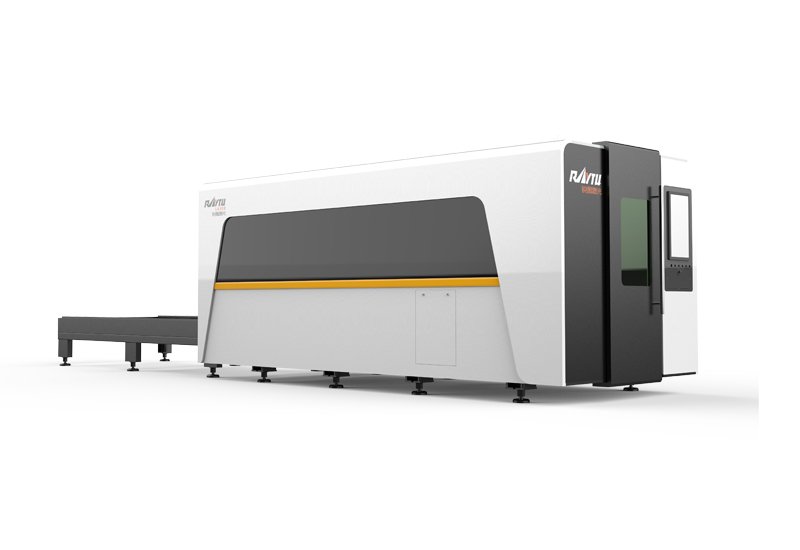
Machine Efficiency: Fiber vs. CO2
A machine’s energy efficiency and cut speed directly impact your “cost per part.”
- The Reality: Fiber lasers outshine CO2 lasers in electrical efficiency (30%+ vs. 10%).
- The Impact: Higher efficiency means less power consumption and less heat, which reduces the load on your cooling systems. Faster throughput allows you to spread your fixed overhead (rent, insurance) across more finished parts.
Material Choice: Thickness and Reflectivity
Not all metals are created equal.
- Thickness: Thicker plates require more power and slower speeds, increasing the “machine time” per part.
- Reflectivity: Cutting reflective materials like aluminum or copper demands higher assist gas pressure and specialized beam parameters.
- Pro Tip: Fiber lasers excel at thin-to-medium sheets, where their extreme speed results in the lowest cost-per-cut in the industry.
Design Complexity and Nested Paths
A simple square is cheap; a complex lattice is expensive.
- Geometry: Parts with intricate curves and hundreds of holes require the cutting head to slow down (acceleration/deceleration), increasing total processing time.
- Optimization: Using advanced nesting software to optimize tool paths can shave seconds off every part—which adds up to thousands of dollars in savings over a year.
The Human Element: Operator Skills
An experienced operator is your best cost-control tool.
Efficiency: A skilled operator knows how to balance speed and gas pressure to avoid “rework.”
Prevention: They can spot a worn laser nozzle or a dirty lens before it ruins a $500 sheet of stainless steel. Poorly trained staff often lead to wasted material and unnecessary downtime.
Maintenance Frequency and Environment
Maintenance is an investment, not just a cost.
- CO2 Disadvantage: CO2 systems have complex internal optics and gas resonators that require frequent, expensive alignment.
- Fiber Advantage: Fiber lasers are solid-state and virtually maintenance-free for the light source, but you still need to monitor chillers and protective windows.
- Environment: A dusty or humid factory floor will drive up maintenance costs regardless of the machine type.
Final Verdict: How to Lower Your Costs?
High-efficiency machines, optimized tool paths, and a preventive maintenance schedule are the keys to a lean operation. If you are struggling with high per-part costs, start by evaluating your material waste and operator training.









 0531-87978823
 +86 16653132325
 sales01@raytu.com
 Contact us