When calculating the return on investment (ROI) for a new laser cutting machine, most buyers focus on the machine’s price tag and the cost of metal sheets. However, operating a laser cutting machine involves much more than just plugging it in.
From electrical infrastructure to environmental compliance, the supporting facility plays a major role in your long-term operating expenses. Here is what you need to know before the machine arrives at your factory door.
1. Space and Utilities: More Than Just the Machine Footprint
Laser cutting machines require a substantial footprint. You are not just making room for the machine bed; you need clearance for material handling, operator access, and auxiliary equipment.
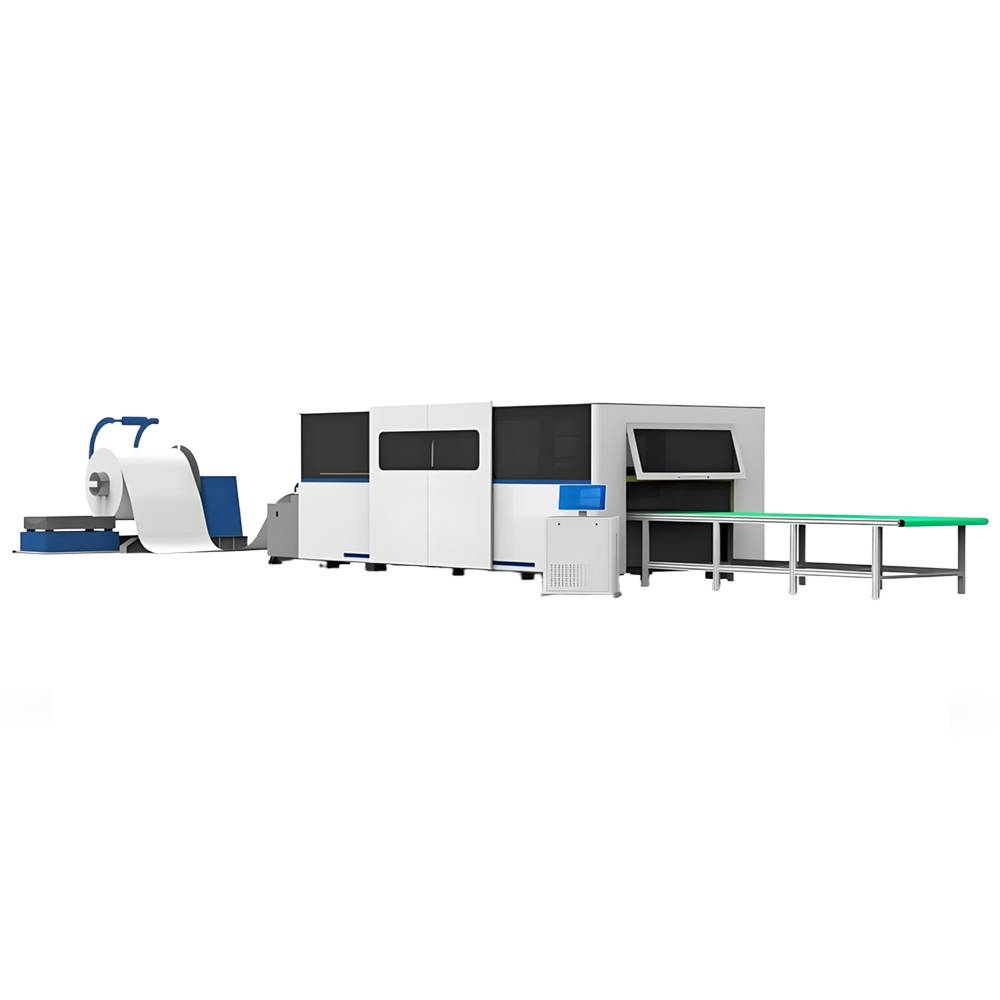
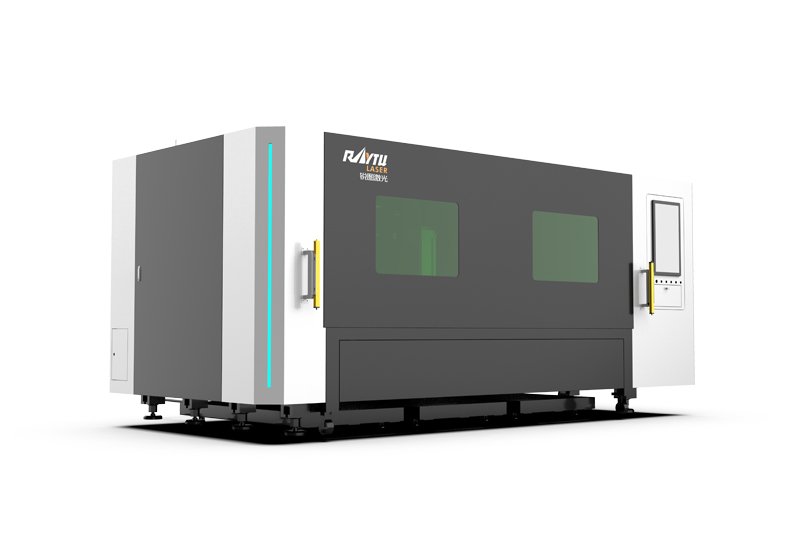
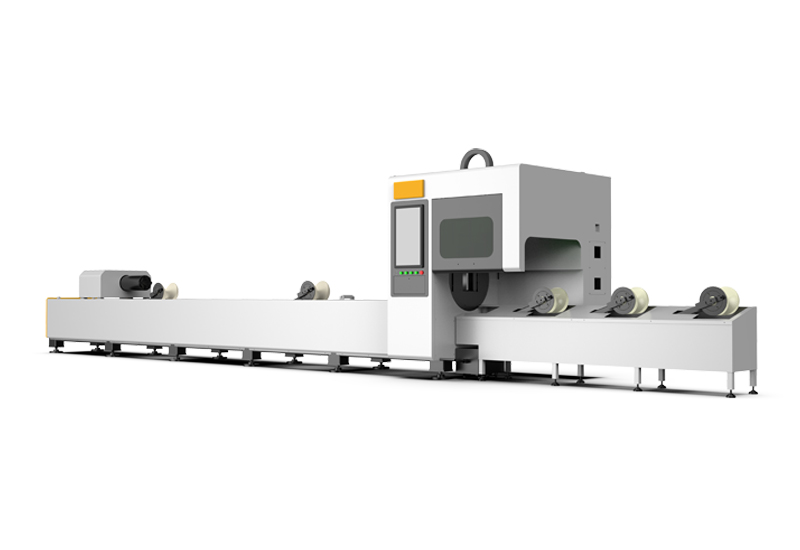
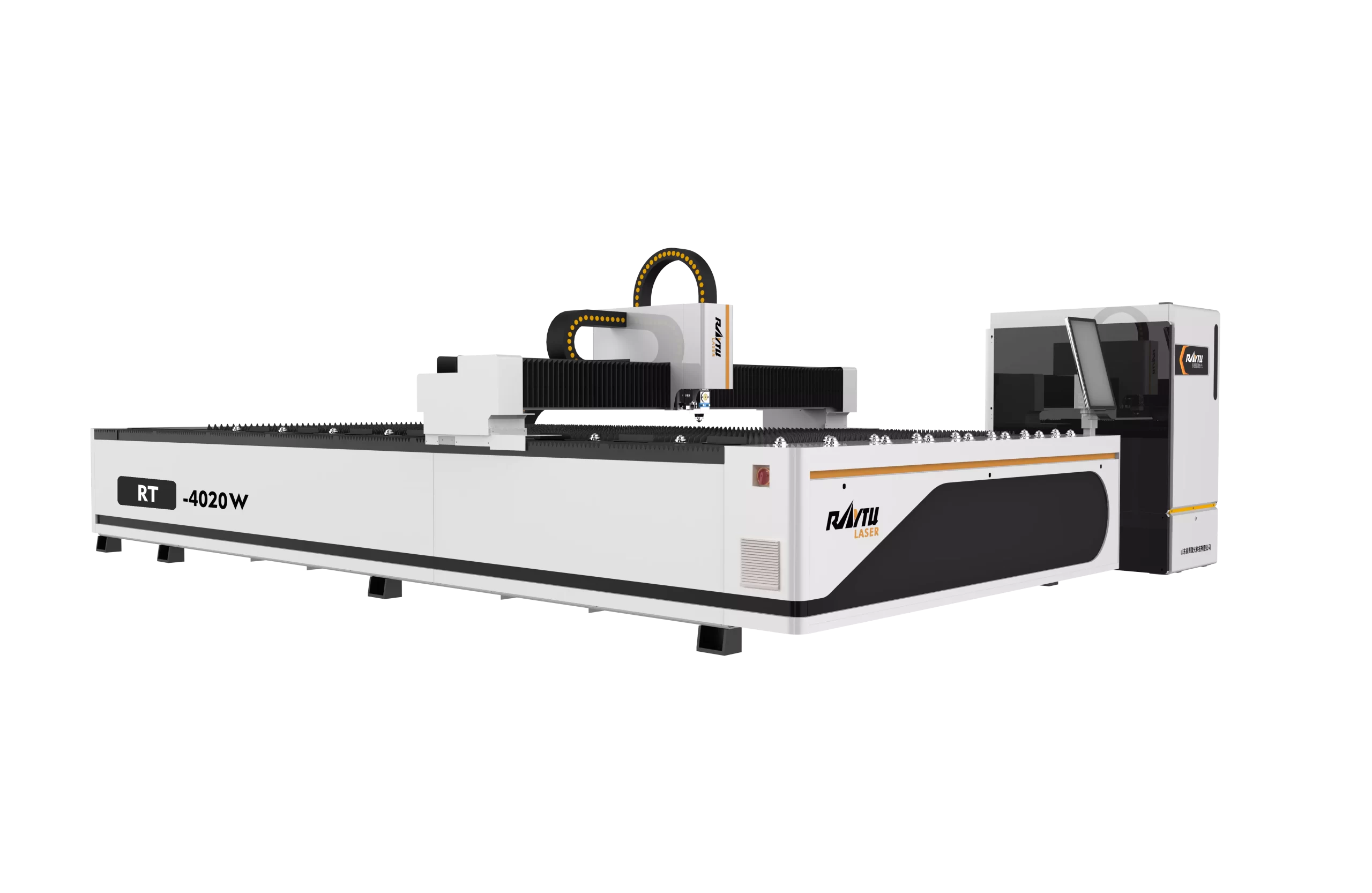
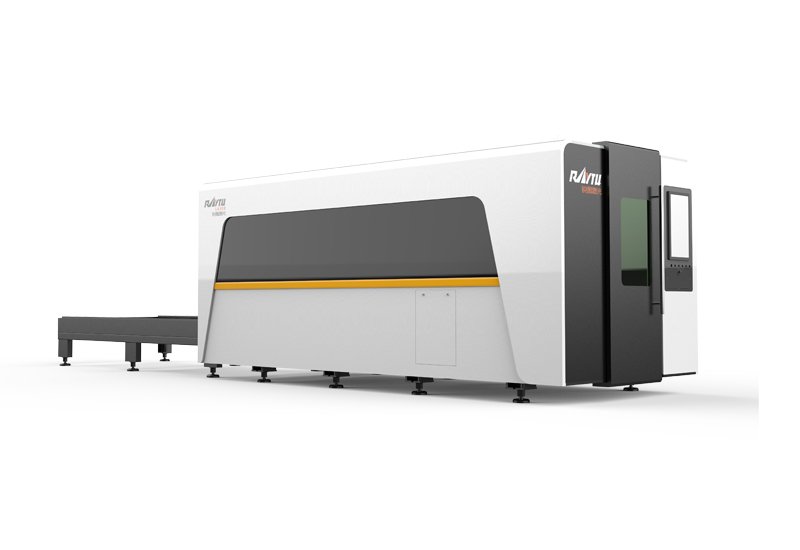
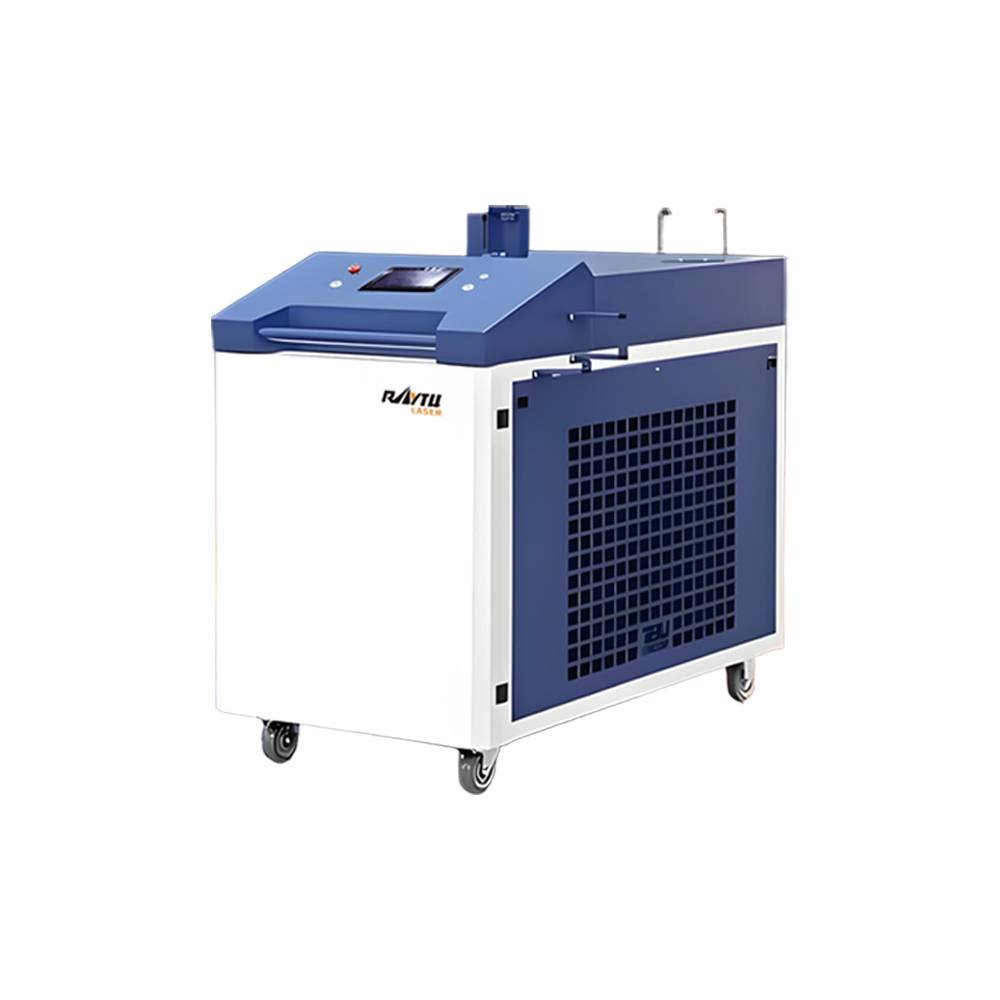
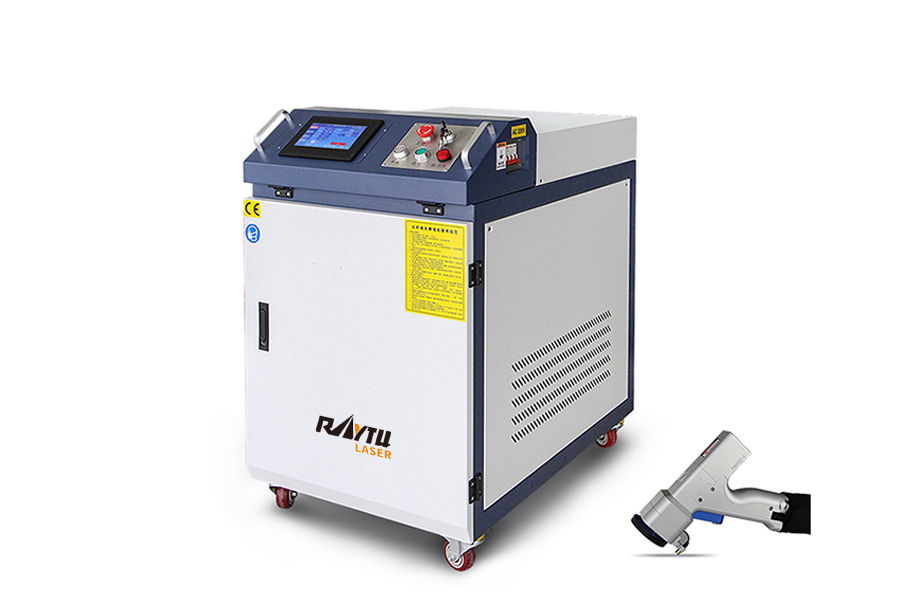
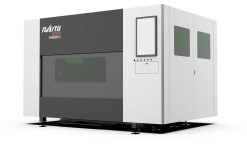
The Footprint Difference: CO2 lasers typically take up significantly more space than fiber lasers due to their larger resonators and complex optical paths. Fiber lasers (like the Raytu compact series) offer a much higher power-to-size ratio.
Auxiliary Equipment: You must allocate floor space for water chillers, gas cylinders (O2/N2), air compressors, and heavy-duty dust collectors.
Climate Control: Extreme humidity or dust can destroy sensitive optics. Your facility may need HVAC upgrades to maintain a stable operating environment.
2. Electrical Infrastructure: Feeding the Beast
Laser cutters are power-hungry. Overloading your existing electrical infrastructure can lead to safety hazards, blown circuits, and unplanned downtime.
Voltage Requirements: Most industrial lasers require dedicated high-voltage circuits (e.g., 380V or 480V, 3-phase).
Power Draw Comparison: CO2 lasers are notoriously inefficient, converting only about 10% of electrical power into laser light. Fiber lasers, on the other hand, boast a wall-plug efficiency of over 30%, drastically reducing your monthly electricity bill.
Power Stability: Regular power fluctuations can damage expensive electronic components. Investing in surge protection or an Uninterruptible Power Supply (UPS) is often a necessary upfront cost.
3. Safety Systems: Protecting Your Team and Investment
Laser systems involve high voltages, intense heat, and Class 4 laser radiation. Safety is non-negotiable.
Light Shielding: High-wattage fiber lasers require fully enclosed covers with OD+ certified protective glass to prevent retinal damage.
Fire Suppression: Especially critical if your facility processes highly reactive metals like aluminum or titanium dust.
Emergency Protocols: Lockout/tagout (LOTO) systems must be installed for safe maintenance.
4. Environmental and Regulatory Compliance (The Legal Stuff)
Operating a laser cutting machine comes with legal and environmental responsibilities. Non-compliance can lead to massive fines or forced shutdowns.
A. Emissions and Air Quality
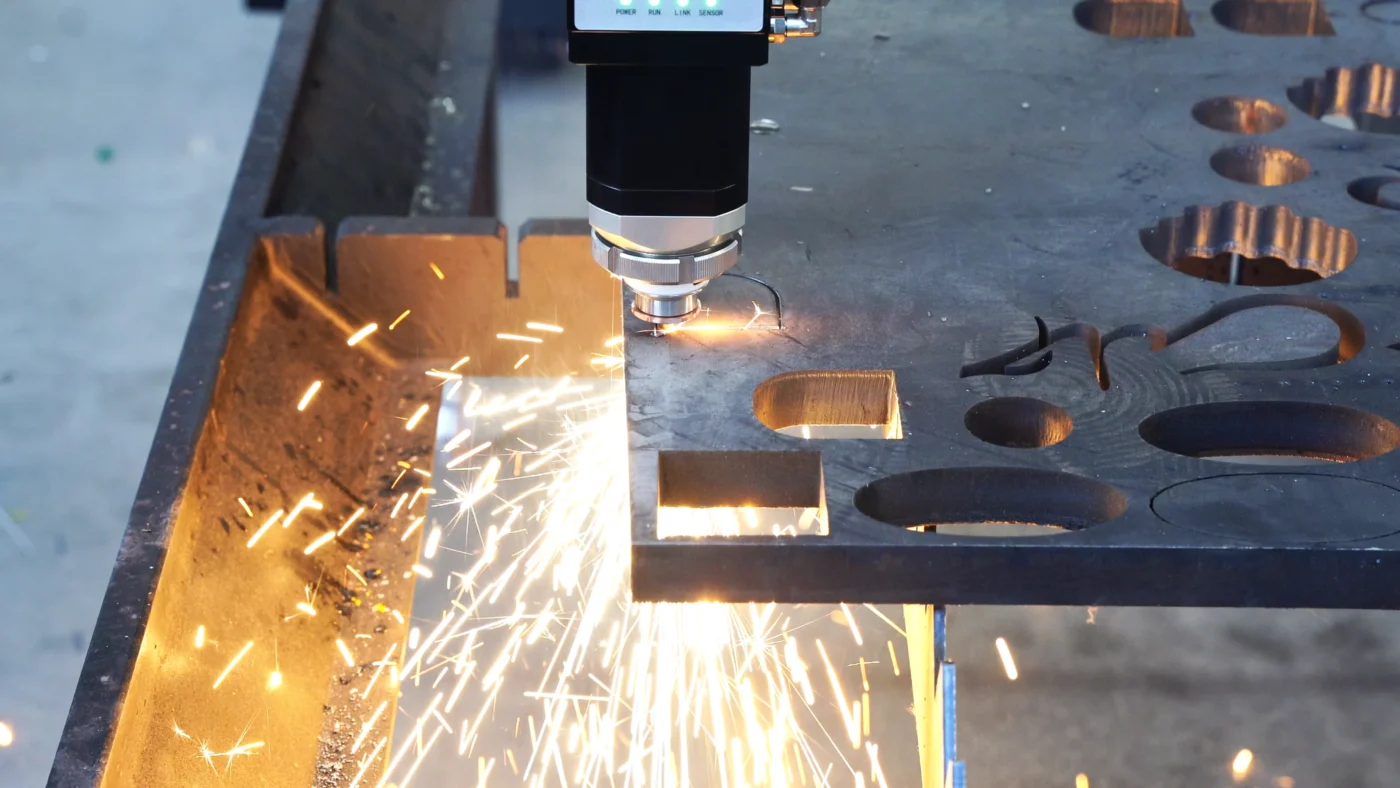
Cutting metal generates hazardous fumes, smoke, and microscopic particulates (including VOCs and heavy metals).
- The Solution: Most local regulations (like OSHA or EPA standards) require industrial-grade fume extraction and air filtration systems. This involves HEPA filters, activated carbon, and proper exhaust ductwork.
- The Cost: Do not skip this. Poor air management leads to health violations, worker sick days, and poor machine performance (smoke ruins laser lenses).
B. Waste Management
Laser cutting generates various types of waste:
- Valuable Scrap: Metal offcuts can often be recycled or sold.
- Hazardous Waste: Used filters, contaminated chemical wipes, and spent cutting fluids must be handled according to local hazardous waste protocols.
C. Certifications and Inspections
Depending on your region, you may be subject to ongoing regulatory audits:
- Air emissions permits
- Occupational safety certifications
- Fire and electrical safety inspections
Pro Tip for Buyers: When choosing a laser machine, ask your supplier about the exhaust design. Advanced fiber laser machines feature “zonal ventilation” (partitioned dust extraction), which concentrates suction exactly where the cutting head is working, reducing the size and cost of the required dust collector.
Conclusion: Plan Ahead to Protect Your Margins
The facility and infrastructure behind a laser cutting machine represent a significant portion of your total operating costs. Overlooking these requirements leads to costly retrofits, production delays, and safety violations.
The Bottom Line: If you want to minimize your facility upgrade costs and long-term utility bills, Fiber Laser technology is the clear winner over traditional CO2 systems. They require less space, consume a fraction of the electricity, and have lower ventilation demands.









 0531-87978823
 +86 16653132325
 sales01@raytu.com
 Contact us