Laser welding technology has moved from a high-end niche to a mainstream essential in modern metal fabrication. Compared with traditional TIG or MIG methods, laser welding provides higher precision, up to 4x faster processing speeds, and significantly lower heat distortion.
As global manufacturing shifts toward automation, choosing the right laser welding machine is becoming a critical decision for factory owners looking to stay competitive.
Why Fiber Laser Welding is Dominating the Market
The global market for laser welding is projected to exceed $5 billion in the next decade. This growth is driven by the automotive, aerospace, and EV battery sectors, where precision is non-negotiable.
Fiber laser technology currently accounts for over 40% of these systems due to several key advantages:
- Speed: Drastically improved production efficiency compared to manual arc welding.
- Precision: Minimal heat-affected zones (HAZ) prevent thin metal deformation.
- Maintenance: Solid-state design means no lamps to change and a service life exceeding 100,000 hours.
Key Factors: How to Choose the Right Laser Welder
Selecting the right system depends on your specific production environment. Don’t just buy the highest power; buy the power that fits your material.
1.Material Type and Thickness
Different metals reflect laser energy differently. While stainless steel and carbon steel are easy to weld, reflective materials like aluminum and copper require higher stability and specific beam characteristics.
2.Laser Power Selection Guide
1000W – 1500W: The sweet spot for thin sheet metal and light fabrication (up to 3mm).
1500W – 2000W: The “all-rounder” for general industrial welding and varied material thicknesses.
3000W+: Necessary for high-speed automated lines or thick plate penetration (6mm+).
3.Handheld vs. Automated Systems
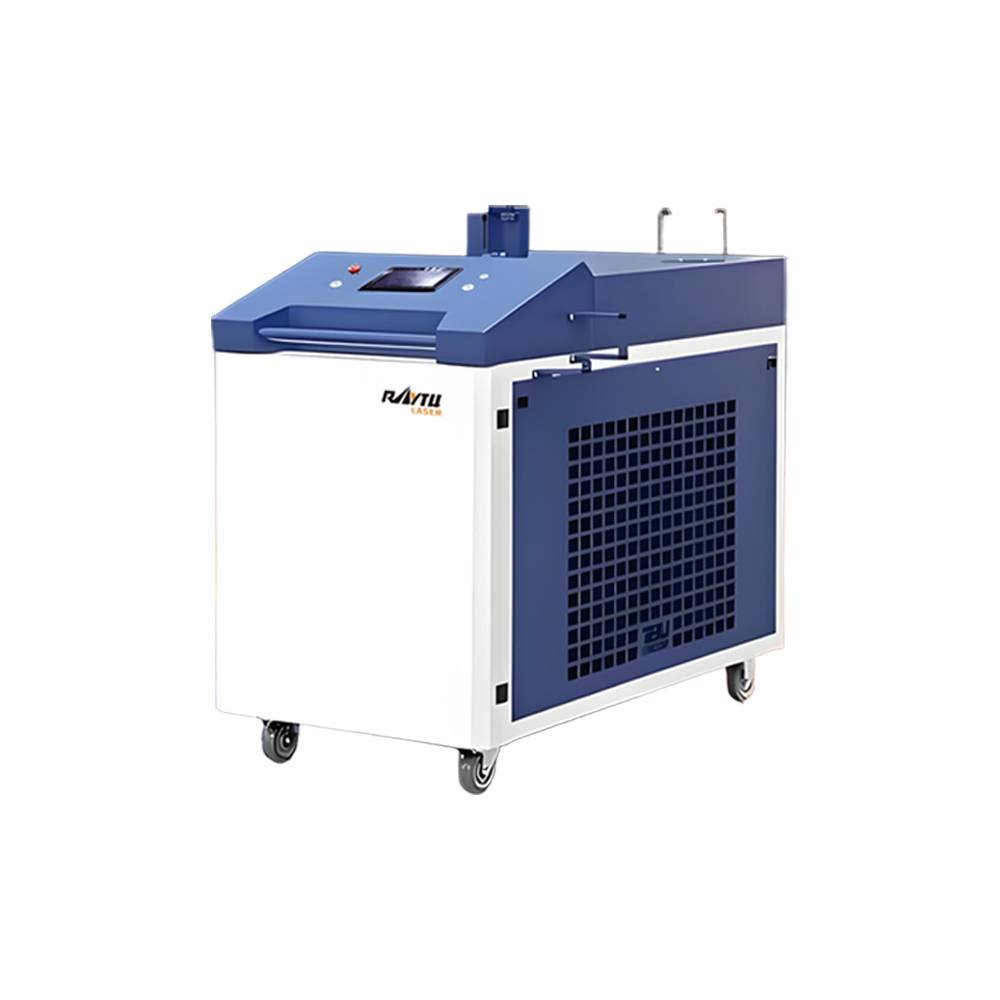
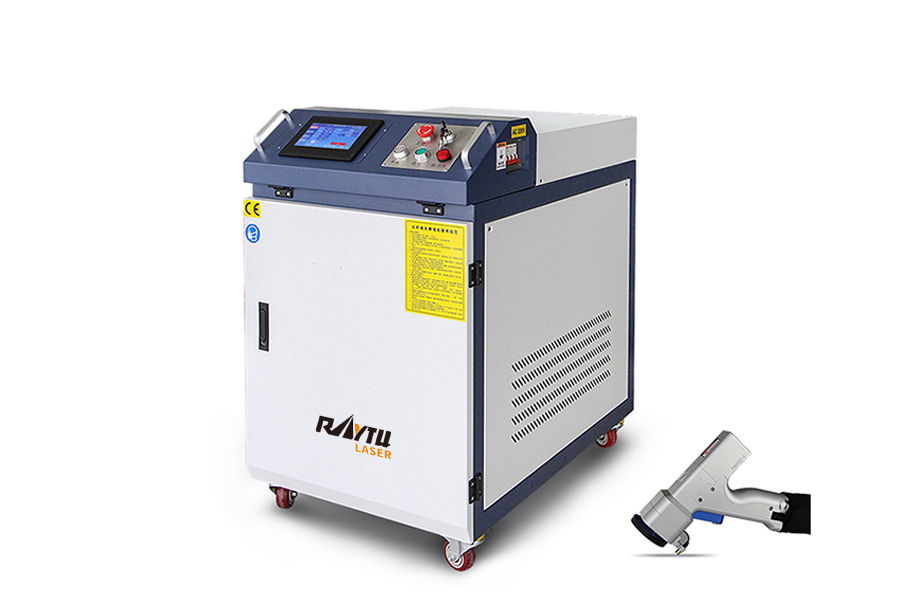
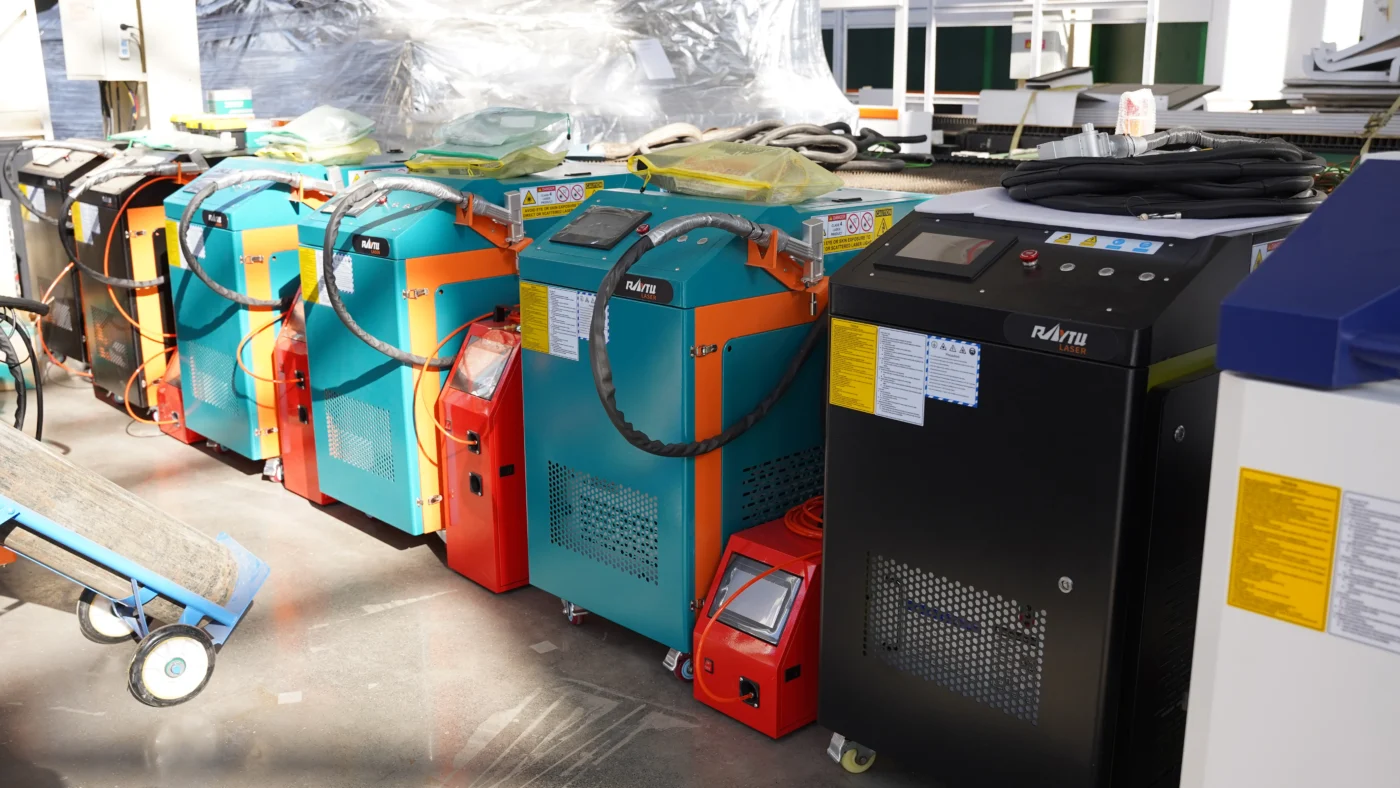
Handheld Laser Welders: These are game-changers for small workshops and custom fabrication. They are easy to learn, often requiring only hours of training compared to years for professional TIG welding.
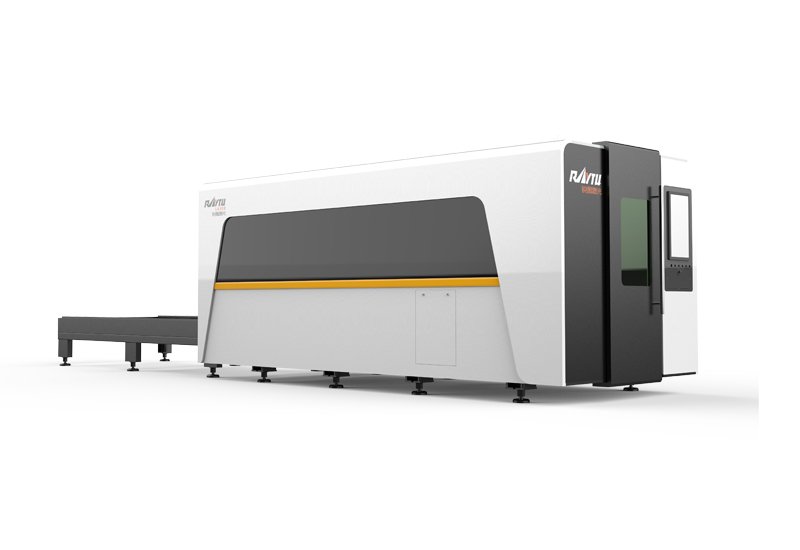
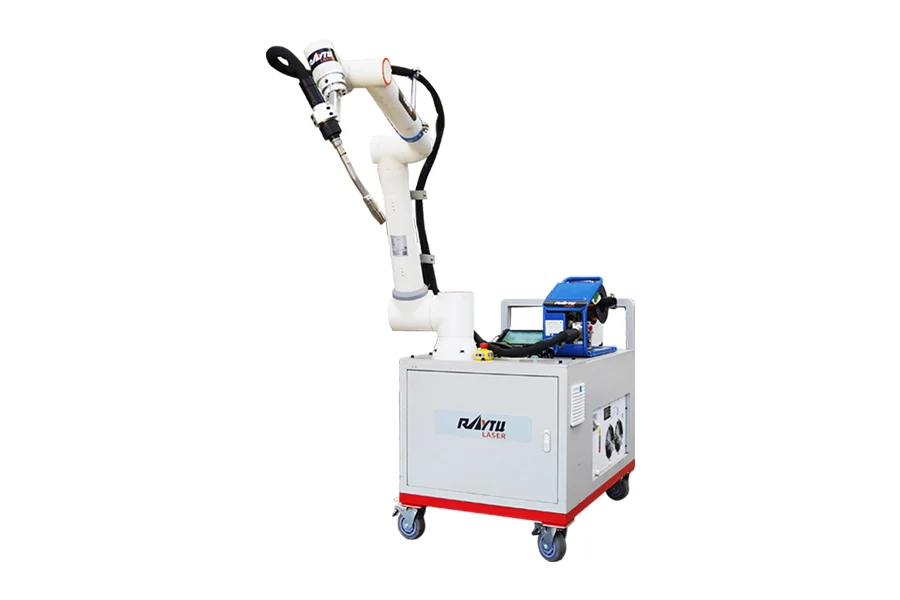
Automated Systems: Best for large-scale production where repeatability and integration with robotic arms are required.
Industry Trends Shaping 2026 and Beyond
The future of welding is “Smart.” We are seeing three major shifts:
1.Industry 4.0 Integration: Machines now feature IoT connectivity for real-time fault monitoring.
2.AI-Driven Parameters: Smart systems that automatically adjust laser frequency based on the material’s thermal feedback.
3.Green Manufacturing: Modern fiber lasers are 30% more energy-efficient than older YAG systems, helping factories meet carbon reduction goals.
Conclusion: Investing in Performance
As manufacturing moves toward smarter, faster production, laser welding is no longer an option—it’s a necessity. By focusing on your material needs and selecting a reliable partner like Raytu Laser you can ensure your workshop stays ahead of the technological curve.















 0531-87978823
 +86 16653132325
 sales01@raytu.com
 Contact us