Introduction
Technological innovation lies at the heart of the laser industry’s evolution. In 2025, China advanced both fiber and ultrafast laser technologies to meet the precision requirements of modern manufacturing.
Fiber Laser Advancement
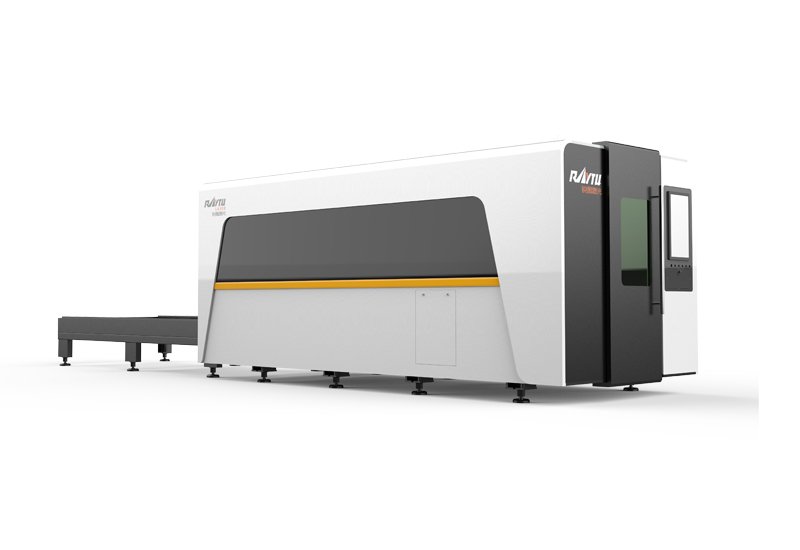
Fiber lasers continue to dominate industrial laser adoption due to high efficiency, beam quality, and reliability.
Despite a slight revenue contraction in 2025 (4.3% decline for total fiber laser sales), overall sales volume continued to grow, signaling robust demand.
High-power fiber systems (>10 kW) have shown strong performance trends and broad industrial uptake.
Ultrafast Laser Growth
The ultrafast laser segment is among the fastest-expanding domains, with projected market CAGR exceeding 14% between 2025–2030.
Ultrafast lasers are increasingly used in semiconductor processing, precision machining, medical devices, and research, owing to their minimal thermal impact and exceptional precision.
China’s domestic ultrafast laser market is forecast to surpass CNY 12 billion in 2025, capturing ~30% of global share.
Emerging Technology Frontiers
Continued investment in novel fiber geometries, beam shaping, and power scaling is enabling higher performance systems in industrial settings.
Research into dynamic beam shaping and machine-learning-driven process optimization points toward future improvements in laser-assisted manufacturing.
Buyer Guide: Technology Selection
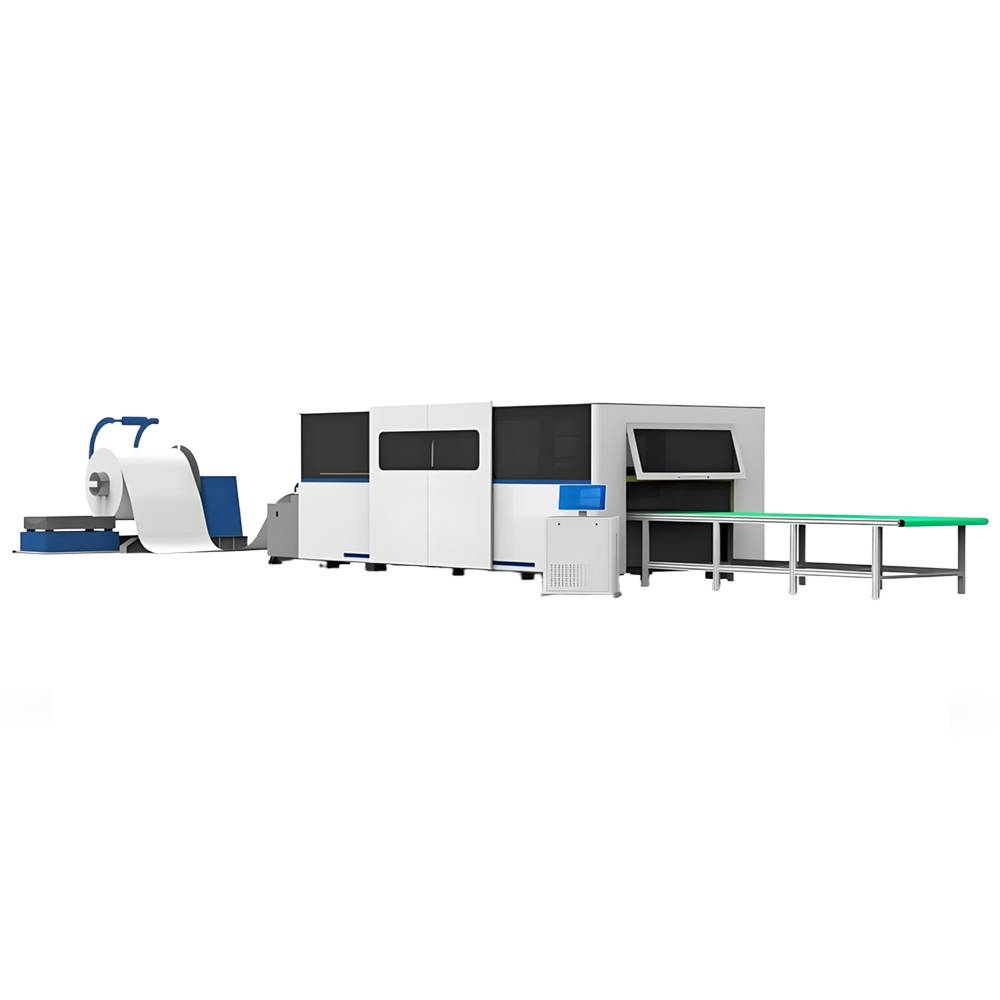
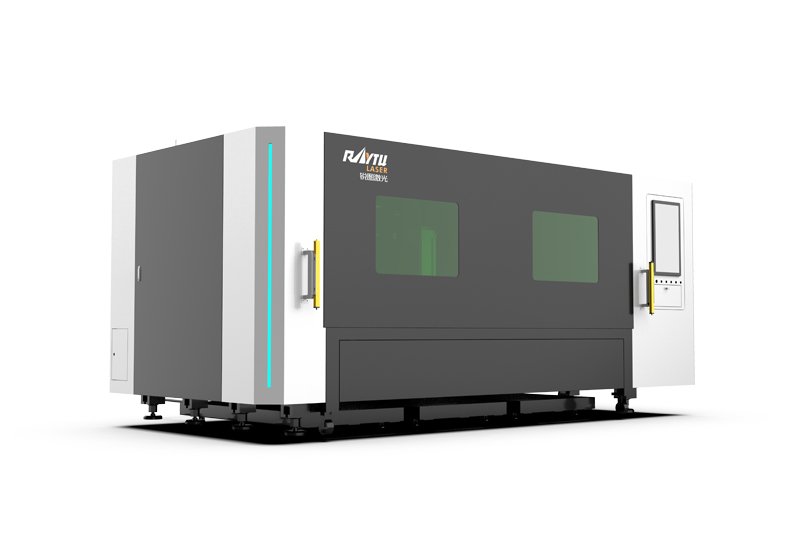
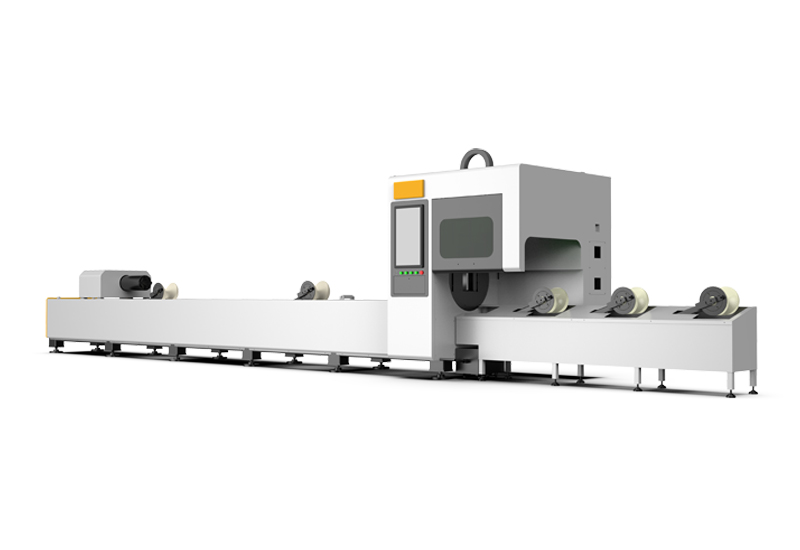
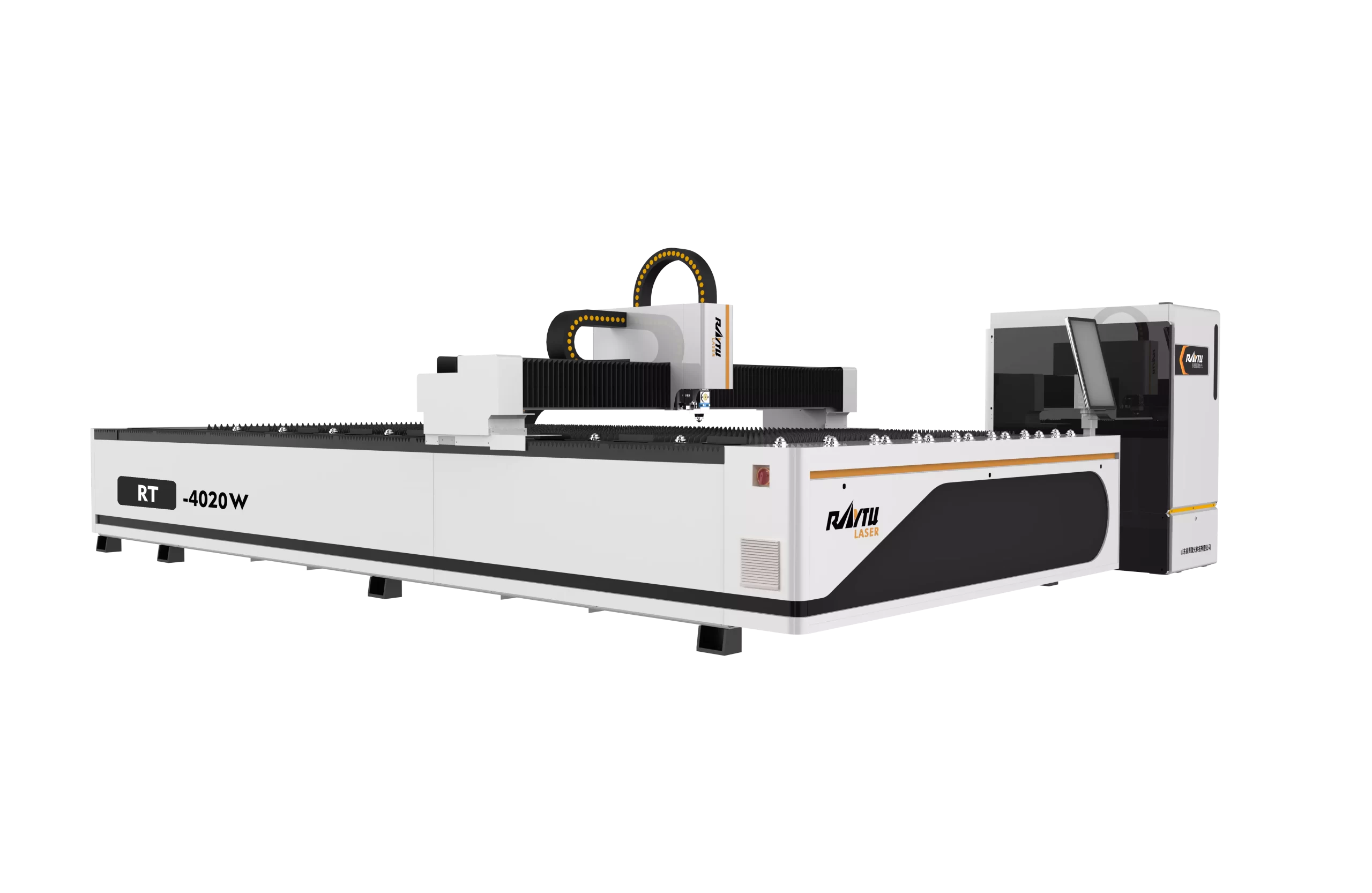
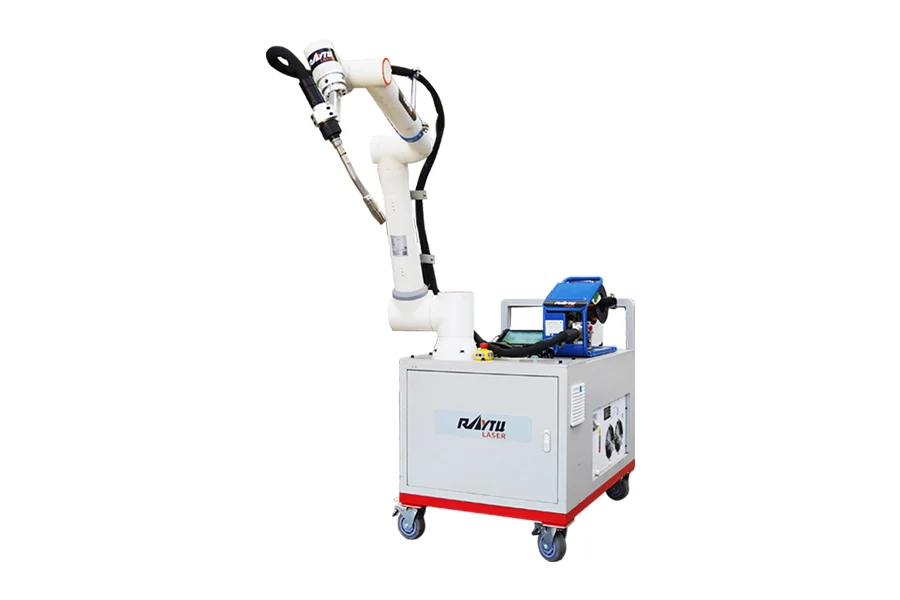
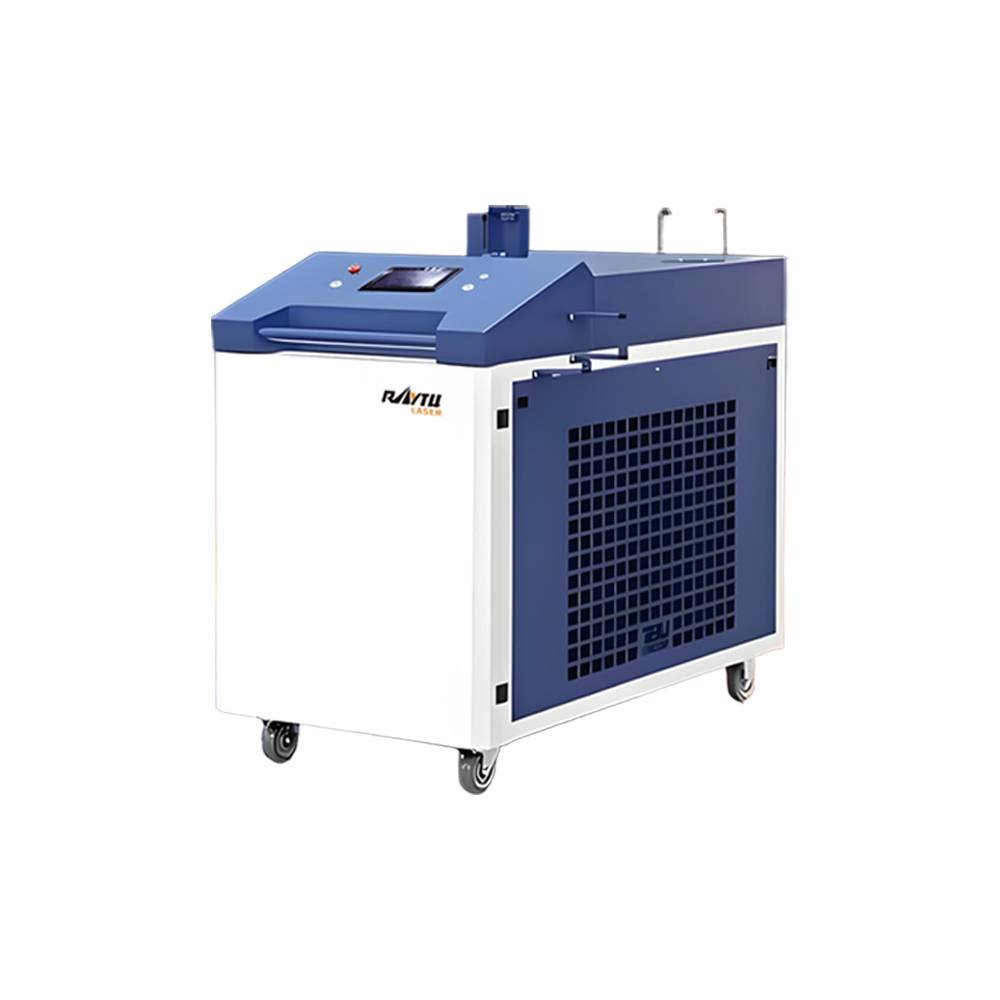
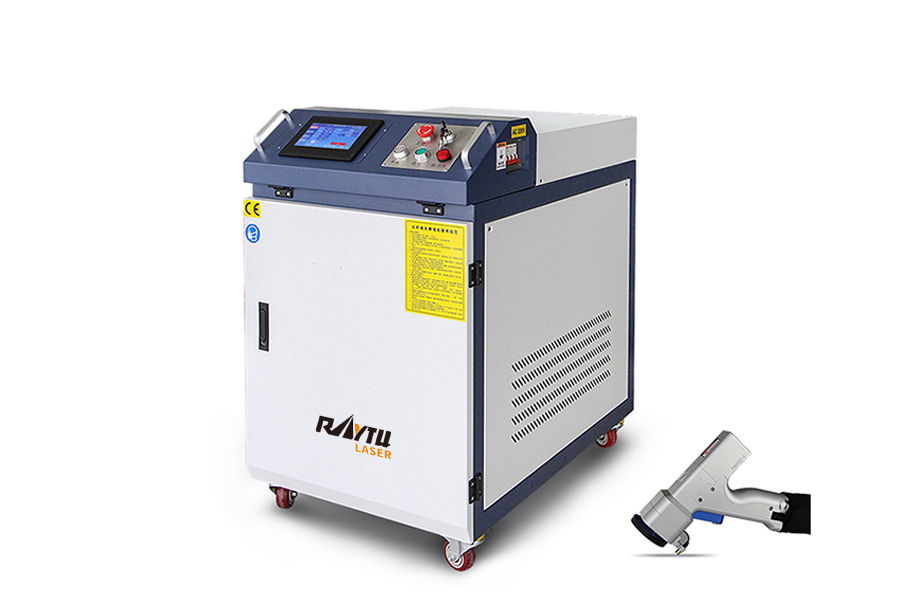
Opt for fiber laser systems where continuous high power, cutting/welding of metals, and industrial throughput are primary concerns.
Consider ultrafast lasers for applications requiring high precision with minimal thermal damage, such as electronics or medical device micromachining.
Assess the total cost of ownership including service, spare parts, and software upgrades, not just upfront acquisition cost.
Conclusion
China’s laser technology landscape in 2026 reflects a transition toward high-performance, precision-oriented systems, offering buyers access to next-generation manufacturing capabilities. Selecting the right technology class aligns with both current application needs and future scalability.















 0531-87978823
 +86 16653132325
 sales01@raytu.com
 Contact us